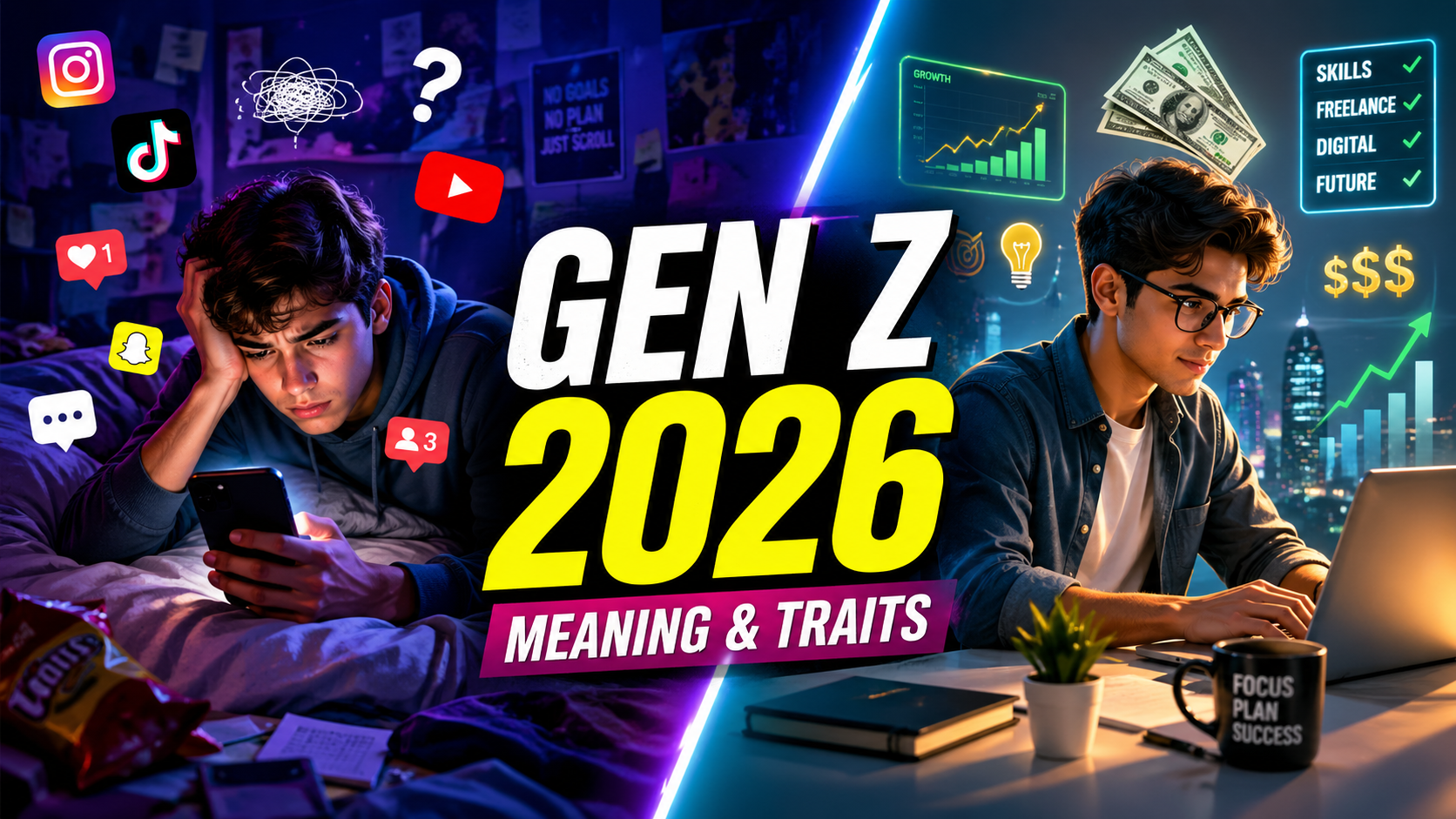
What is Gen Z? Meaning, Characteristics, and Impact in 2026
If you’ve heard people say things like “OK, Boomer” or talk about “digital natives,” they’re probably referring to Gen Z. But who are Gen Z exactly? And why does everyone—from teachers to CEOs—want to understand them better? In this post, we’ll break down the Gen Z meaning, their key traits, and how they’re shaping the world in 2026. Whether you’re a student, a beginner in digital culture, or just curious, this guide is for you.
Gen Z Meaning: What Does It Stand For?
Gen Z meaning refers to the generation born after Millennials. While there’s some debate about exact dates, most researchers agree that Gen Z includes people born between 1997 and 2012. That means in 2026, the oldest Gen Zers are around 29 years old, and the youngest are about 14. They’re the true “digital natives” — the first generation to grow up with smartphones, social media, and high-speed internet from a very young age.
Key Characteristics of Gen Z in 2026
Understanding Gen Z characteristics helps explain their behavior, opinions, and lifestyle. Here are the most defining traits of this generation in 2026.
1. Digital-First Lifestyle
Gen Z doesn’t just use technology — they live inside it. From TikTok and Instagram to newer platforms like decentralized social apps, they consume, create, and share content every day. Many learned to swipe before they could tie their shoes.
2. Financially Smart and Entrepreneurial
Unlike earlier generations, Gen Z grew up during economic uncertainty (the 2008 recession, COVID-19, inflation). As a result, they’re cautious with money, love side hustles, and start earning online early — often as teens.
3. Pragmatic and Realistic
While Millennials were often called “optimistic dreamers,” Gen Z is more practical. They worry about student debt, climate change, and housing costs. They want real solutions, not just promises.
4. Open-Minded and Inclusive
Gen Z values diversity in race, gender, sexuality, and ability. They’re more likely to use gender-neutral language, support LGBTQ+ rights, and call out unfair treatment online or offline.
5. Short Attention Spans but High Media Literacy
Yes, Gen Z loves short videos (under 60 seconds). But they’re also great at spotting fake news, ads disguised as content, and manipulation. Growing up with the internet taught them to question everything.
How Is Gen Z Different from Millennials?
People often confuse Gen Z with Millennials (born 1981–1996), but they’re quite different.
- Tech experience: Millennials saw the rise of the internet; Gen Z was born into it.
- Social media: Millennials loved Facebook and Instagram; Gen Z prefers TikTok, Discord, and anonymous apps.
- Work attitude: Millennials popularized “follow your passion.” Gen Z says “follow the skills that pay.”
- Learning style: Millennials read blogs and books; Gen Z learns via YouTube tutorials, TikToks, and interactive apps.
- Money habits: Millennials spent on experiences (travel, dining out). Gen Z saves more and invests in crypto, stocks, or digital assets.
Gen Z’s Impact on Education (2026)
Schools and colleges have had to change because of Gen Z. Here’s how:
- Shorter lessons: Teachers now use 10- to 15-minute micro-lessons instead of hour-long lectures.
- More tech tools: Classrooms use AI tutors, learning apps like Duolingo, and gamified quizzes.
- Career-focused learning: Gen Z students prefer vocational training, certifications, and real-world skills over traditional four-year degrees unless necessary.
- Mental health support: Schools now offer more counseling, mental health days, and flexible deadlines because Gen Z openly discusses anxiety and burnout.
How Gen Z Is Changing Work and Online Earning
In 2026, the workplace looks very different thanks to Gen Z. They reject the old 9-to-5 office culture unless it’s truly necessary.
Remote and Hybrid Work
Gen Z expects flexibility. They want to work from home, a coffee shop, or another country. Companies that force full-time office attendance struggle to hire or keep Gen Z talent.
Side Hustles and Online Income
Many Gen Zers don’t rely on a single job. Instead, they combine:
- Freelancing (graphic design, writing, coding)
- Content creation (YouTube, TikTok, Twitch)
- Dropshipping or print-on-demand stores
- Investing in stocks, crypto, or NFTs (even small amounts)
- Online tutoring or digital products (e-books, templates, courses)
Real-life example: Meet Maya, 22. She works remotely as a social media manager for $3,000/month, sells digital planners on Etsy ($800/month), and posts finance tips on TikTok (earning ad revenue and brand deals). She never steps foot in an office.
Real-Life Situations: What Gen Z Cares About in 2026
To better understand who are Gen Z, here are three relatable scenarios.
- Scenario 1 (Shopping): A Gen Z teen wants new sneakers. They don’t just buy Nike. They search TikTok for honest reviews, check if the brand treats workers fairly, and look for discount codes or secondhand options on Depop.
- Scenario 2 (Learning): A 19-year-old wants to start a small business. They don’t enroll in a business school. Instead, they watch free YouTube courses, join Discord communities for entrepreneurs, and use AI tools to write their business plan.
- Scenario 3 (Politics): An 18-year-old votes for the first time. They research candidates using Instagram infographics, fact-check claims, and discuss policies in group chats. They care about climate action, affordable housing, and internet privacy.
Gen Z in 2026: Trends You’ll Notice
As we move through Gen Z 2026, here are trends that define this moment:
- AI companions: Many Gen Zers use AI chatbots for therapy, homework help, or even friendship.
- Digital fashion and avatars: They buy virtual clothes for their online avatars in games or metaverse platforms.
- Slow living movement: To fight burnout, Gen Z popularizes digital detoxes, reading physical books, and analog hobbies like film photography and journaling.
- Secondhand economy: Thrifting is cool. Apps like Vinted, Depop, and Poshmark are huge because Gen Z hates waste and loves unique style.
Conclusion: Why Gen Z Matters More Than Ever
So, what is the Gen Z meaning in simple words? It’s the generation that grew up online, thinks practically, works flexibly, and demands honesty from brands, schools, and governments. In 2026, they’re no longer just kids — they’re employees, entrepreneurs, voters, and trendsetters. Understanding Gen Z characteristics isn’t just useful for marketers or teachers. It’s useful for anyone who wants to communicate, work, or live alongside this generation. Whether you’re Gen Z yourself or just learning about them, one thing is clear: they’re not waiting for permission to change the world. They’re already doing it — one TikTok, side hustle, and honest conversation at a time.



Leave a Comment
No comments yet. Be the first to share your thoughts!