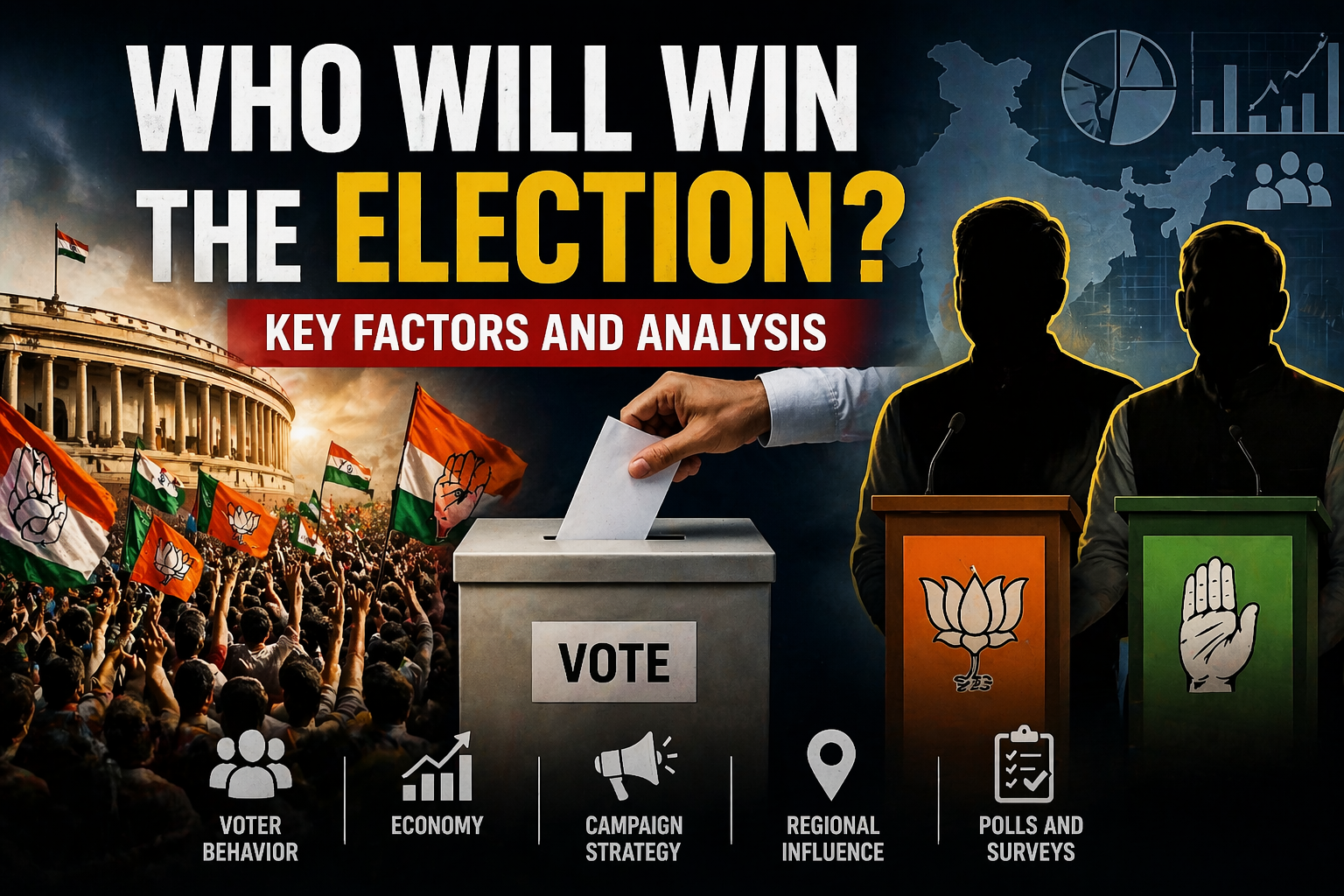
Who Will Win the Election?
Elections are a cornerstone of democratic systems, allowing citizens to choose their leaders and shape the direction of their country. As election season approaches, one of the most common questions people ask is: “Who will win the election?” While it may seem straightforward, the answer is often complex and influenced by multiple dynamic factors. Rather than making definitive predictions, it is more useful to analyze the elements that typically influence election outcomes.
Introduction to the Election Landscape
Modern elections are highly competitive and involve multiple political parties, candidates, and voter groups. Campaign strategies, media influence, economic conditions, and social issues all play significant roles in shaping voter behavior. Additionally, the rise of digital platforms has transformed how political messages are delivered and consumed, making elections more dynamic than ever before.
Key Factors Influencing Election Results
Several critical factors contribute to determining the outcome of an election. Understanding these can provide better insight into potential results:
- Economic Conditions: Voters often evaluate the current economic situation, including employment rates, inflation, and overall financial stability.
- Government Performance: The track record of the ruling party or incumbent candidate plays a crucial role in shaping public opinion.
- Leadership Appeal: Charisma, credibility, and communication skills of candidates can influence voter preferences.
- Key Issues: Topics such as healthcare, education, national security, and social policies often dominate election discussions.
- Voter Turnout: The number of people who actually vote can significantly impact results, especially in closely contested races.
Major Political Parties and Candidates
In most elections, a few major political parties dominate the landscape, each presenting their own candidates and agendas. These parties often represent different ideologies and policy approaches, giving voters a range of choices.
Candidates typically focus on highlighting their strengths, addressing public concerns, and differentiating themselves from their opponents. Campaigns may include rallies, debates, advertisements, and social media outreach to connect with voters.
Public Opinion and Trends
Public opinion is a powerful force in elections. Polls and surveys are commonly used to gauge voter sentiment, although they are not always perfectly accurate. Trends such as shifting demographics, urbanization, and changing social attitudes can also influence voting patterns.
Social media has become an important platform for shaping opinions, allowing both politicians and voters to share information and perspectives quickly. However, it also raises concerns about misinformation and bias, which can affect how people perceive candidates and issues.
Possible Outcomes
Given the many variables involved, elections can result in a variety of outcomes:
- Clear Majority: One party or candidate wins decisively with strong voter support.
- Close Contest: Results are tightly contested, often requiring recounts or extended analysis.
- Coalition Government: No single party achieves a majority, leading to alliances between parties.
- Unexpected Results: Shifts in voter behavior or last-minute developments can lead to surprising outcomes.
It is important to remember that even well-informed predictions can be uncertain due to the dynamic nature of elections.
Conclusion
Predicting who will win an election is not an exact science. While various factors such as economic conditions, leadership appeal, and public opinion provide valuable insights, the final outcome ultimately depends on the collective decision of voters. A neutral and analytical approach helps in understanding the broader picture without jumping to conclusions.
As elections continue to evolve with changing technologies and societal trends, staying informed and critically evaluating information remains essential for every voter. Rather than focusing solely on who will win, it is equally important to consider the issues, policies, and values that shape the future of a nation.





Leave a Comment
No comments yet. Be the first to share your thoughts!